If you are thinking about buying in Superior, the Marshall Fire is still part of the housing conversation. Recovery has moved forward, but the market now includes a mix of rebuilt homes, surviving pre-fire homes, new construction, and a smaller number of lots that may support future builds. If you understand how that changed inventory, insurance, and due diligence, you can shop with more clarity and fewer surprises. Let’s dive in.
How the Marshall Fire changed Superior housing
The Marshall Fire had a lasting impact on Superior’s housing stock. Boulder County reports that more than 1,000 homes were destroyed or damaged, along with more than 30 commercial structures. As of Dec. 1, 2025, the Town of Superior dashboard shows 336 building permits issued and 319 certificates of occupancy issued, while the countywide recovery page shows 931 building permits and 829 certificates of occupancy across 1,109 destroyed homes.
That recovery progress matters, but it also means today’s buyers are not shopping one uniform market. In Superior, you may see rebuilt homes with updated materials and code compliance, surviving older homes with different maintenance profiles, replacement new construction, and some lots that may appeal to buyers considering a custom build.
The available lot pool is also not a simple one-for-one replacement of what existed before the fire. Superior says three lots were purchased for open space, and the countywide dashboard still shows 44 properties with pending permits or listed for sale and 85 with no affirmative recovery. In practical terms, some former homesites will not return as housing, which helps explain why inventory can still feel tight.
What today’s market means for buyers
Public market snapshots show a range of pricing, which is common in a smaller market with a changing mix of homes. In March 2026, Redfin reported a median sale price of $960,000 and 35 days on market. Around the same time, Realtor.com reported a median listing price of $850,000, 31 median days on market, 103 homes for sale, and a balanced market, while Zillow reported a typical home value of $833,348, 41 for-sale listings, and 67 days to pending as of March 31, 2026.
Those numbers do not conflict as much as they may seem. They use different methods, and in a market like Superior, a few rebuilt or newly built homes can shift the picture quickly. The safest takeaway is that inventory remains constrained, and pricing is highly sensitive to whether a home is rebuilt, updated, or original stock.
For you as a buyer, that creates what feels like a two-track market. Rebuilt homes and newer construction may command different pricing because they often offer newer materials, current code standards, and more complete documentation. Older surviving homes may still be attractive, but they usually call for a closer look at condition, wildfire-hardening details, and any smoke exposure history.
Insurance should come early
In Superior, insurance is not something to leave until the last minute. Colorado’s Division of Insurance advises homeowners to ask about estimated rebuild cost, wildfire defensible space, deductible levels, and what added coverages may be needed before buying or renewing a policy. That guidance is especially important in an area still shaped by wildfire recovery.
The Division of Insurance also highlights several coverage details worth reviewing closely. These include extended replacement cost at 50% of dwelling coverage, ordinance and law coverage at 20% of dwelling coverage, and up to 24 months of additional living expense coverage, since many policies still provide only 12 months. These terms can make a major difference if rebuilding takes longer or costs more than expected.
The Marshall Fire showed why underinsurance can become a serious problem. Colorado legislative materials presenting Division of Insurance analysis estimated underinsurance at 36% of policies if rebuild cost were $250 per square foot, 55% at $300, and 67% at $350. The key lesson is simple: replacement cost is not the same thing as purchase price, appraised value, or loan amount.
Colorado also now has a FAIR Plan backstop for harder-to-insure properties. The Division of Insurance says residential homeowners policies became available on April 10, 2025, for situations where coverage is unavailable through traditional means. That does not remove the need to shop early. It reinforces it.
What to ask for in an insurance quote
Before you remove contingencies, ask for a written quote and compare more than just premium.
- Dwelling limit based on rebuild cost
- Extended replacement cost terms
- Ordinance and law coverage
- Additional living expense coverage length
- Deductible structure and wildfire-related terms
Colorado also notes that premiums can rise because of more frequent natural disasters, tighter reinsurance markets, and higher labor and material costs. In other words, the quote itself is now part of your property due diligence.
Check permits, occupancy, and remediation records
If a home in Superior was rebuilt or substantially altered after the Marshall Fire, the paper trail matters. Superior’s recovery dashboard tracks building permits and certificates of occupancy, which means a rebuilt home should have a verifiable permit history and final occupancy record. If that record is incomplete or hard to produce, plan for a deeper review.
This is one of the clearest ways to separate a well-documented rebuild from a home that may still carry unanswered questions. You want to know what work was done, whether it was finalized, and whether the home received its certificate of occupancy. That documentation helps you understand both the physical asset and the transaction risk.
Smoke remediation is another issue buyers should treat separately from visible fire damage. Colorado House Bill 24-1315 states that smoke, soot, ash, and other fire contaminants can damage homes, affect habitability, and create uncertainty about whether a property was properly cleaned or remediated. If a home had any fire or smoke exposure history, ask for remediation documentation and testing records, if they exist.
Documents worth requesting
Ask the seller for as much supporting information as possible, especially if the property was rebuilt, repaired, or exposed to smoke.
- Building permit history
- Final inspection records
- Certificate of occupancy
- Scope of work for repairs or rebuild
- Smoke remediation invoices or reports
- Any testing records related to smoke or fire contaminants
Understand Superior’s wildfire code requirements
Wildfire code is now a core part of buying in Superior. The town says 196 residentially zoned parcels fall within its Wildland-Urban Interface boundary, including parts of Sagamore, Rock Creek Ranch, and Kupfner Replat. Superior directs buyers to use its address-level map because parcels in yellow or orange zones can trigger different requirements.
The state Wildfire Resiliency Code Board says the 2025 Colorado Wildfire Resiliency Code was established on July 1, 2025. Superior explains that low-intensity yellow parcels follow Class 1 rules, while orange and red parcels trigger Class 2 construction and site-hardening requirements. If a parcel overlaps zones, the stricter Class 2 rules apply.
For buyers, this matters because code requirements can affect both your budget and your expectations for the property. They may influence materials, landscaping choices, fencing, and future improvement plans. A home that looks move-in ready still needs to be understood in the context of its parcel classification.
Key Superior wildfire-hardening features
Superior’s Class 1 requirements include several visible features that buyers can check.
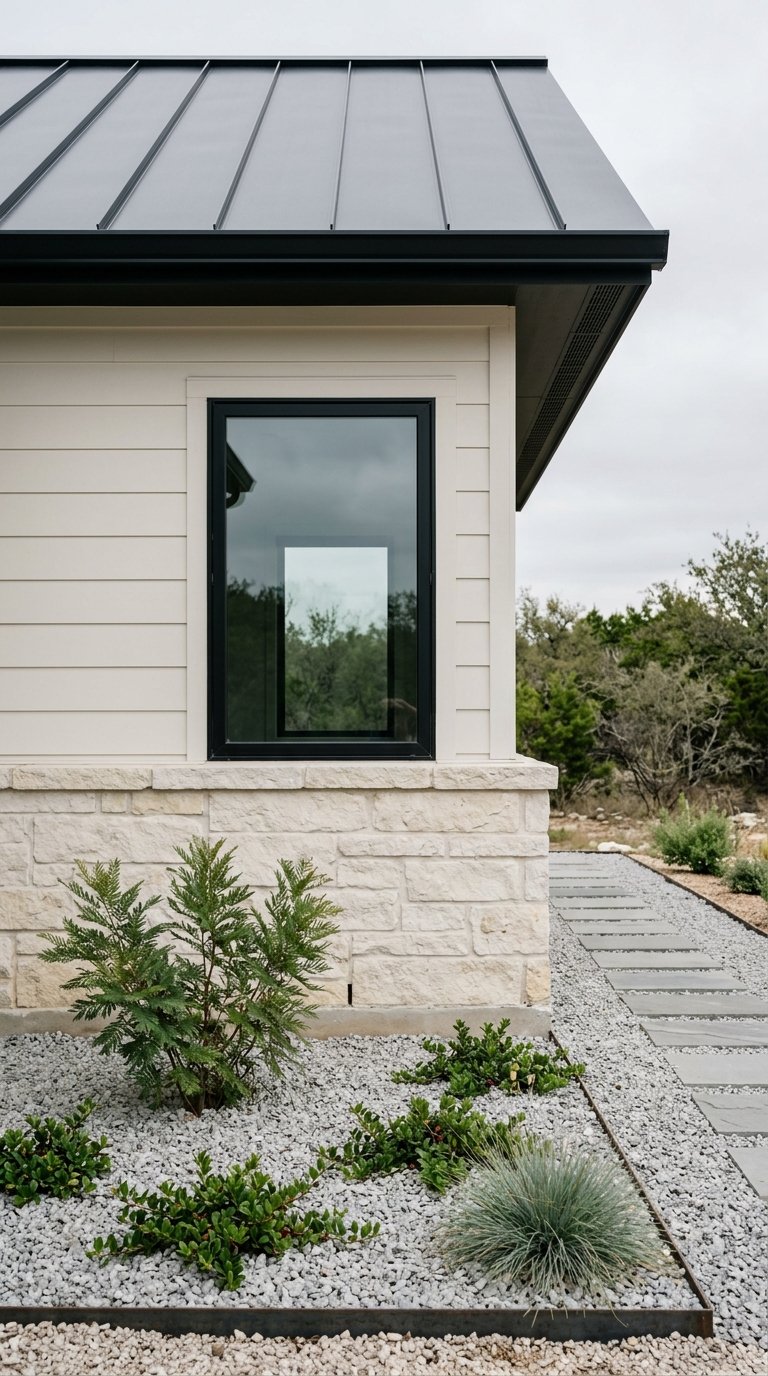
- Class A roof
- Noncombustible gutters and downspouts
- A 0 to 5 foot immediate zone with noncombustible hardscape such as rock, gravel, sand, concrete, or pavers
- No tree planting in the immediate zone
- Tree crown pruning near the structure
- Noncombustible or ignition-resistant fencing within 8 feet of the structure
These are not cosmetic details. They are part of how the property is expected to perform in a wildfire-prone setting.
Focus on resilience features that matter
When you tour homes in Superior, it helps to look beyond finishes and floor plans. Some of the most important value is in the structural and parcel-level details that support wildfire resilience. These features can affect both safety and insurability.
Research from IBHS emphasizes the roof, building features, and defensible space. Its 2025 Wildfire Prepared Home update highlights flame- and ember-resistant vents and a 0 to 5 foot noncombustible zone, while IBHS and FEMA both emphasize Class A roofs, ember-resistant vents or screened openings, debris-free gutters, sealed openings, and a noncombustible buffer near the home.
FEMA also notes that embers can enter through windows and vents and can smolder for hours before flames become visible. That is why buyers should pay attention to vents, soffits, eaves, fence connections, decks, and mulch choices, not just the roof material. In Superior, those details deserve a place on your showing checklist.
A practical Superior buyer checklist
If you want a simpler way to evaluate homes, start here.
- Confirm the parcel’s WUI status and class on the town map
- Ask for the permit packet, final inspection history, and certificate of occupancy if the home was rebuilt or substantially altered
- Request smoke remediation and testing records if the property had fire or smoke exposure
- Get an insurance quote before removing contingencies
- Compare dwelling limit, extended replacement cost, ordinance and law coverage, and additional living expense coverage
- Inspect the roof, vents, gutters, eaves, fencing, and the 0 to 5 foot zone for wildfire-hardening details
Why rebuild and efficiency can add value
Superior’s recovery has also created opportunities for buyers who value efficiency, resilience, and newer construction standards. The town’s sustainable-building program notes that some Xcel homeowner rebates changed for permits after June 30, 2024, while Colorado Energy Office rebates remain in effect for eligible electric homes. For buyers comparing properties, that means some newer homes may reflect more intentional design choices around efficiency and long-term operating costs.
There may also be opportunities for buyers looking at lot purchases or future builds. Superior says the state’s Disaster Resilience Rebuilding Program can offer loans and grants up to $50,000 for eligible homeowners. While program eligibility will depend on the situation, it shows that rebuilding in this market is not only about replacing what was lost. It can also be about building smarter.
As a buyer, that is where local guidance really matters. In a market like Superior, you are not just comparing square footage and finishes. You are comparing documentation quality, code status, resilience features, insurance readiness, and long-term ownership costs.
If you are weighing a rebuilt home, a surviving pre-fire home, or a lot with future potential, the right guidance can help you ask better questions and make a more confident decision. For tailored advice on buying in Superior and Boulder County, connect with Sara & Svein Groem.
FAQs
What should buyers verify on a rebuilt home in Superior?
- Ask for the building permit history, final inspection records, and certificate of occupancy, and review any available documentation for repairs, rebuilding, or smoke remediation.
How does Marshall Fire recovery affect Superior housing inventory?
- Superior now has a mix of rebuilt homes, surviving older homes, new construction, and some lots, while a few parcels were converted to open space and some properties remain in incomplete recovery status.
Why is insurance so important when buying a home in Superior?
- Insurance can be harder to secure and more expensive in wildfire-affected areas, so you should get a written quote early and compare rebuild cost coverage, deductibles, ordinance and law coverage, and additional living expense terms.
What wildfire code issues should buyers check in Superior?
- Buyers should confirm whether the parcel falls within the Wildland-Urban Interface and determine its class, since parcel status can affect construction requirements, site hardening, and future improvement plans.
What wildfire-resilience features matter most in Superior homes?
- Focus on features such as a Class A roof, ember-resistant vents or screened openings, noncombustible gutters, sealed openings, appropriate fencing near the structure, and a noncombustible 0 to 5 foot zone around the home.