If you’re buying or selling in Boulder, “green” usually means more than a label on a flyer. Buyers here often look for homes that are efficient, practical, and ready for Boulder’s real climate realities, from higher utility costs to wildfire season and water-wise landscaping. If you know which features stand out first, you can tour smarter, prepare your home more effectively, and focus on the upgrades that actually matter. Let’s dive in.
Why green features matter in Boulder
Boulder’s climate goals shape what many buyers pay attention to. The city’s Climate Action Plan focuses on cleaner buildings, resilience, affordability, transportation, and nature-based solutions, with targets that include a 70% emissions reduction by 2030, net-zero emissions by 2035, and carbon-positive status by 2040. That local context helps explain why efficient systems, solar readiness, and practical landscape choices tend to stand out.
Boulder County’s EnergySmart program points to home decarbonization priorities like insulation, air sealing, climate control, water-heater electrification, solar, and EV transition. For buyers, those features can signal lower operating costs and easier long-term upgrades. For sellers, they can help tell a clearer story about value.
Wildfire guidance also plays a major role in Boulder. The city notes that Boulder is especially wind-prone because Chinook winds funnel off the Rockies, and that October through April is the highest-risk season for wildfire. In that setting, resilience features are not just nice extras. They often feel like part of responsible homeownership.
Envelope upgrades buyers notice first
For many Boulder buyers, the first green features that matter are the least flashy. Windows, doors, siding, insulation, and air sealing affect comfort, energy use, and monthly bills in ways that people can feel right away. National sustainability research also shows that cost-reducing features are increasingly shaping home searches.
The U.S. Department of Energy says air sealing can reduce heating and cooling costs while improving durability, comfort, and the indoor environment. Insulation also helps reduce energy bills. In older Boulder homes especially, these improvements can matter more to buyers than cosmetic green add-ons.
Weatherized homes can also be better candidates for heat pumps. That matters in a market where buyers may be thinking beyond today’s systems and looking at how easy a home will be to update later. A house that already has a strong building envelope can feel more future-ready.
What buyers often look for
- Updated windows and exterior doors
- Evidence of insulation improvements
- Air sealing or weatherization work
- Lower recent utility bills
- A home that feels comfortable room to room
Electrification and EV readiness
Boulder’s 2024 energy code gives buyers another reason to pay attention to electric systems. The city says new construction, additions, and major alterations must be all-electric, and its long-term code goal is net-zero energy residential and commercial buildings. That makes electrification less of a niche topic and more of a practical one.
Heat pumps are often part of that conversation. The Department of Energy says heat pumps are an energy-efficient alternative to furnaces and air conditioners, and that air-source units can deliver two to four times more heat energy than the electrical energy they consume. Buyers who understand that may see a heat pump as both a comfort feature and a long-term operating-cost benefit.
Water heating matters too. Boulder County EnergySmart includes water-heater electrification among its key priorities. If a home already has an electric-ready setup or a heat pump water heater, buyers may view that as one less project to tackle after closing.
EV readiness also gets attention, especially for buyers planning ahead. The EPA advises homeowners to think about future electrical demand, including multiple EVs or a switch from gas to electric appliances. It also notes that a home with at least 200-amp service and two open breaker slots may be ready for Level 2 charging.
Signs a home may be easier to electrify
- A heat pump HVAC system
- A heat pump water heater
- Updated electrical service
- Space in the panel for future loads
- Existing EV charger or charging-ready setup
Solar details matter more than you think
Solar can absolutely catch a buyer’s eye in Boulder, but the details matter. National research shows that solar value is still widely misunderstood, with many respondents unsure whether panels increase perceived value or have no effect at all. That uncertainty means buyers often want documentation, not just a quick mention in the listing.
If a home has solar, ownership structure is a big part of the story. Buyers may want to know whether the system is owned or leased, how old the inverter is, and whether production records are available. Clear paperwork can help reduce confusion and make the feature feel like a true asset instead of a question mark.
For sellers, this is a good reminder that solar is not just about having panels on the roof. It is about making the system easy to understand during due diligence. The cleaner the documentation, the easier it is for buyers to evaluate the benefit.
Water-wise landscaping counts
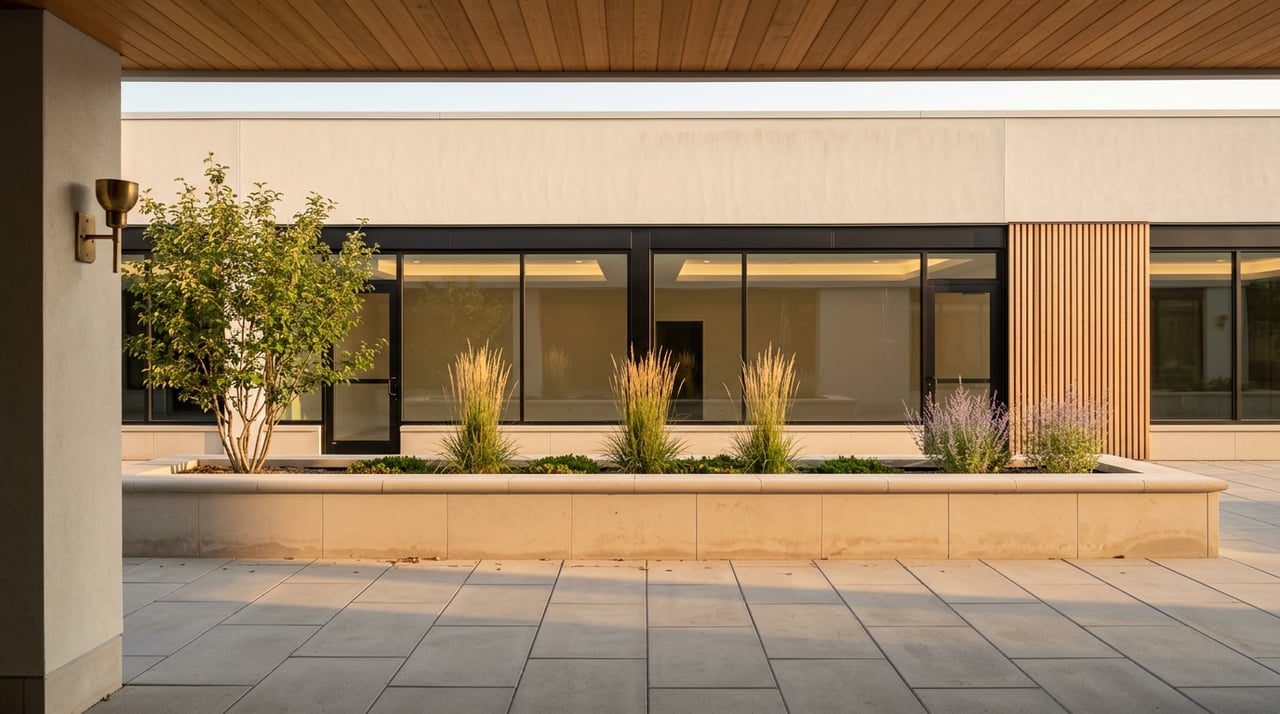
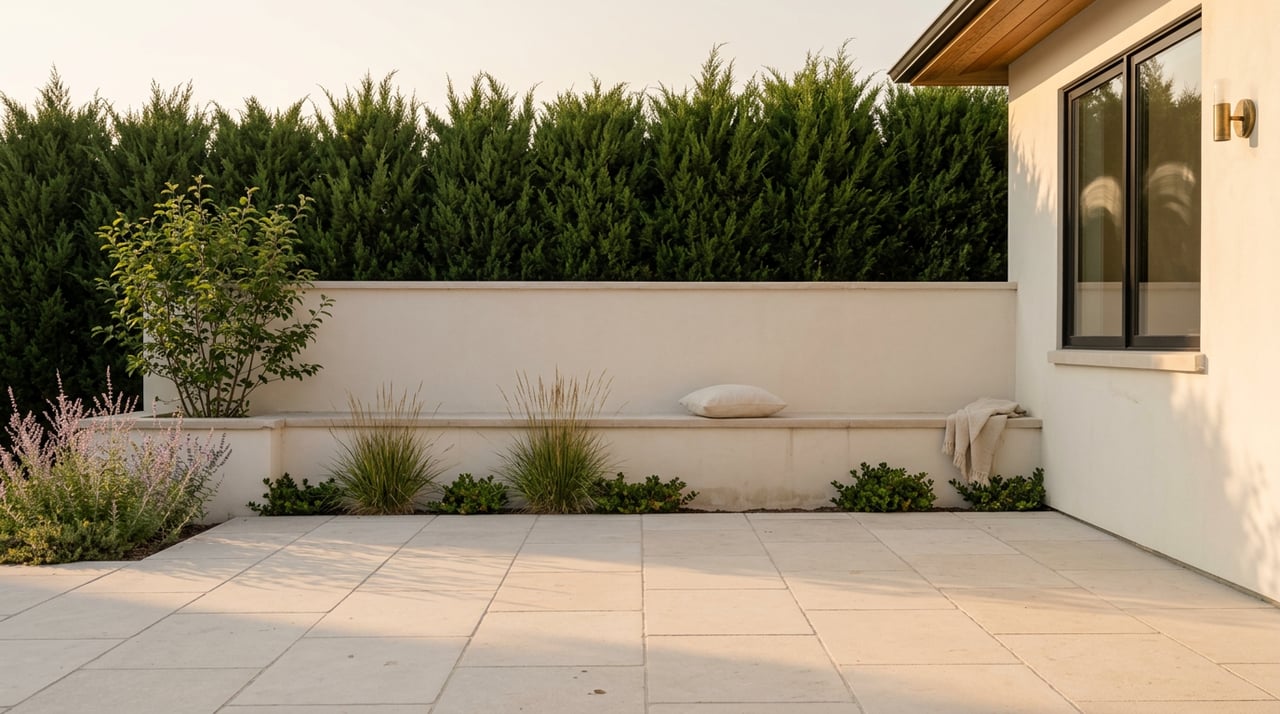
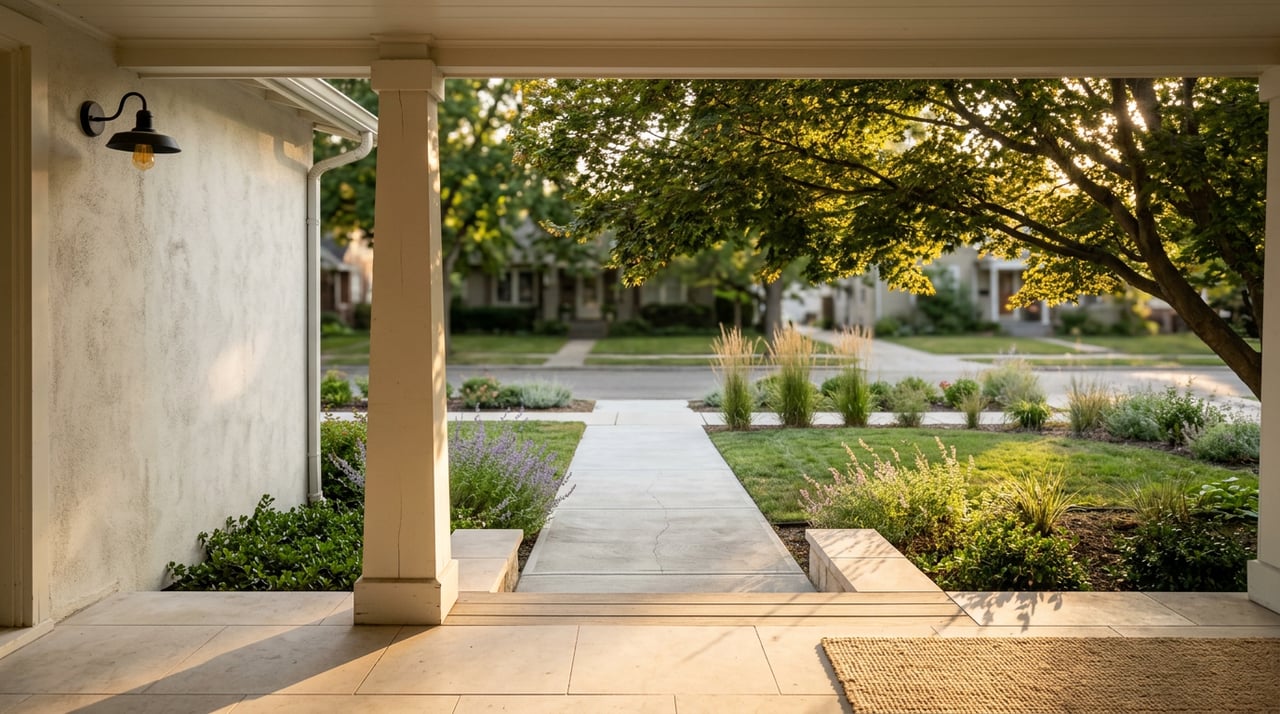
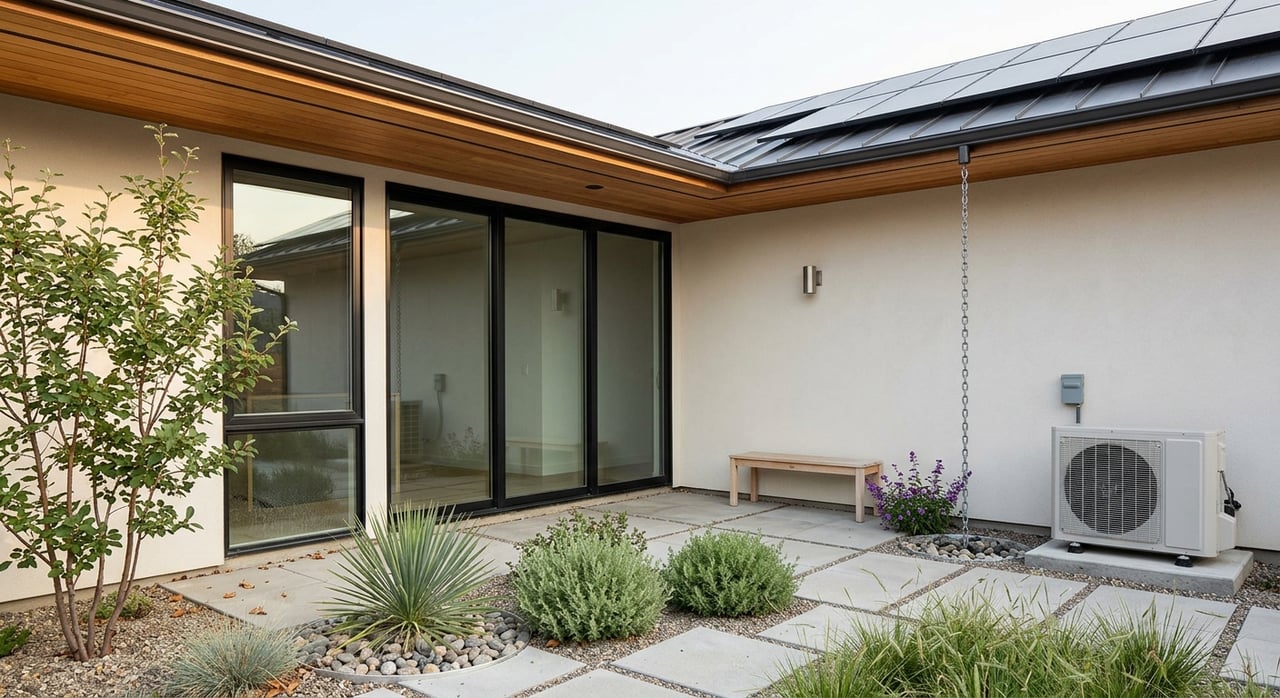
In Boulder, green features extend beyond the house itself. The city says xeriscaping can meet landscape requirements, but rock alone is not considered xeriscaping and can increase urban heat island effects and irrigation needs. Buyers who know the local landscape conversation may notice whether an outdoor space looks intentional, climate-aware, and manageable.
Boulder’s climate-resilient landscape criteria call for a strong majority, over 75%, of plants to be native, regionally appropriate, or edible or food-producing. The city also encourages minimizing impermeable surfaces and using water-wise practices. For buyers, that can translate into lower water demand and a yard that aligns more closely with local expectations.
The city’s water-conservation resources reinforce the same themes. Boulder promotes waterwise landscapes, lawn-replacement programs, irrigation audits, rain gardens, and Garden-in-a-Box kits. A landscape designed with those ideas in mind can support curb appeal while also feeling practical.
Boulder landscape features that stand out
- Water-wise planting choices
- Limited high-water turf areas
- Irrigation set up for efficiency
- Native or regionally appropriate plantings
- Permeable and climate-conscious hardscape choices
Firewise landscaping is a real buyer concern
In Boulder, wildfire resilience can be part of the green-home conversation too. The city says that in WUI areas, the first five feet around a structure should be free of combustible material. It also says new junipers should not be planted, and new conifers should not be planted within 30 feet of a structure.
Those guidelines can affect how buyers view a property during tours. A yard that looks attractive but ignores local wildfire guidance may raise questions. A landscape that feels water-wise and firewise at the same time often tells a stronger Boulder-specific story.
The city has also updated its Approved Tree and Plant List to support water conservation and wildfire resiliency goals. For sellers, that creates a practical way to improve curb appeal while staying aligned with Boulder’s local standards. For buyers, it offers a useful lens for evaluating whether a property’s exterior has been planned thoughtfully.
Indoor air quality and resilience extras
Healthy buildings are part of Boulder’s broader climate and resilience conversation. The city’s Climate Action Plan says resilient buildings should transition to efficient electric systems while improving indoor and outdoor air quality. That means buyers may notice not only efficiency upgrades, but also features that support comfort during smoke or heat events.
EPA wildfire smoke guidance says smoke can enter homes, and that portable air cleaners or high-efficiency HVAC filters can help during smoke events. In practical terms, Boulder buyers may pay closer attention to filtration, ventilation, and how tightly a home can be sealed when outdoor conditions change.
These features may not always be obvious in listing photos, but they can matter during a showing or inspection. A home that combines efficiency with indoor comfort often feels better prepared for year-round conditions.
What sellers should prioritize before listing
If you are preparing to sell, the strongest green story is usually a practical one. In most Boulder homes, a smart order of operations is to seal and insulate first, then modernize HVAC and water heating, then add solar or EV readiness where it makes sense, and finally improve the landscape for water efficiency and wildfire resilience. That sequence lines up with Boulder’s policy direction and the county’s decarbonization priorities.
It also helps to make every upgrade easy to verify. Useful records can include utility bills, permits, HVAC age, maintenance records, solar ownership or lease terms, EV charger specs, irrigation details, and any available energy audit or rating information. Buyers tend to respond better when green features are documented clearly.
If a property is in a WUI area, landscape choices deserve extra attention before listing. Clearance, plant selection, and combustible-material rules can all affect buyer perception. In Boulder, that is not just about aesthetics. It is part of due diligence.
Smart questions buyers can ask on tour
If you are touring homes in Boulder, a few focused questions can reveal a lot about long-term cost, comfort, and readiness.
Ask about operating costs
- Request the last 12 months of utility bills.
- Ask whether the home has had an energy audit or rating.
- Look for clues about insulation, air sealing, and older windows or doors.
Ask about electrification
- Find out whether the HVAC system is a heat pump.
- Ask what it would take to electrify remaining gas systems.
- Check whether the electrical panel has capacity for future upgrades.
Ask about solar and charging
- Confirm whether solar is owned or leased.
- Ask for system age, inverter age, and production records.
- See whether the home can support Level 2 EV charging.
Ask about the landscape
- Find out whether the yard is designed to be water-wise.
- If the property is in a WUI area, ask how the landscape aligns with Boulder guidance.
- Notice the first five feet around the home and the types of plants near the structure.
The Boulder takeaway
In Boulder, the green features buyers notice most are often the ones that reduce friction. Lower utility bills, stronger comfort, easier electrification, clearer solar paperwork, and landscaping that fits local water and wildfire realities all help a home feel more livable and better prepared for the future.
Whether you are buying your next home or getting ready to sell, it helps to look past buzzwords and focus on what performs. If you want guidance on how these features show up in Boulder homes and how to position them in the market, connect with Sara & Svein Groem.
FAQs
What green home features matter most to Boulder buyers?
- Boulder buyers often pay close attention to insulation, air sealing, updated windows and doors, heat pumps, EV readiness, solar documentation, and water-wise or firewise landscaping.
Why do Boulder buyers care about landscaping features?
- In Boulder, landscaping can affect water use, curb appeal, and wildfire resilience, especially in WUI areas where the city has specific guidance on clearance and plant selection.
What should Boulder sellers do before listing a home with green upgrades?
- Boulder sellers should prioritize practical improvements, document upgrades clearly, and gather records like utility bills, permits, maintenance history, and solar or EV system details.
How can you tell if a Boulder home is ready for electrification?
- You can ask whether the home has a heat pump, a heat pump water heater, updated electrical service, and enough panel capacity for future electric appliances or EV charging.
Do solar panels automatically add value to a Boulder home?
- Not always in a straightforward way, because solar value can be misunderstood, so buyers usually want clear information about ownership, system age, and production history.
What questions should buyers ask about a Boulder home’s energy performance?
- Buyers should ask for recent utility bills, whether an energy audit or rating exists, what efficiency upgrades have been completed, and how easy the home will be to electrify over time.