Choosing between Old Town and newer Longmont is not just about age of the home. It is really about how you want to live, what kind of upkeep you are comfortable with, and where you see value in the years ahead. If you are weighing charm against convenience, or walkability against newer systems, this guide will help you sort through the tradeoffs with more confidence. Let’s dive in.
Old Town and newer Longmont defined
In Longmont, Old Town generally refers to the historic core around Main Street and the nearby Eastside and Westside historic districts. The city describes this area as part of its original one-square-mile plan, with stores along Main Street and homes laid out in a grid around it. Main Street is still recognized by the city as Longmont’s historic main street and a cultural, business, and commercial center.
Newer Longmont usually means infill and edge-development neighborhoods, including newer east-side communities, southwest and southern-edge neighborhoods, and planned developments like Prospect New Town and Blue Vista. Longmont says its growth is guided by infill and redevelopment because outward expansion is limited by city boundaries and protected open space. That means much of the newer housing stock is shaped by practical land use and more recent planning priorities.
Character and architecture
Old Town offers more variety
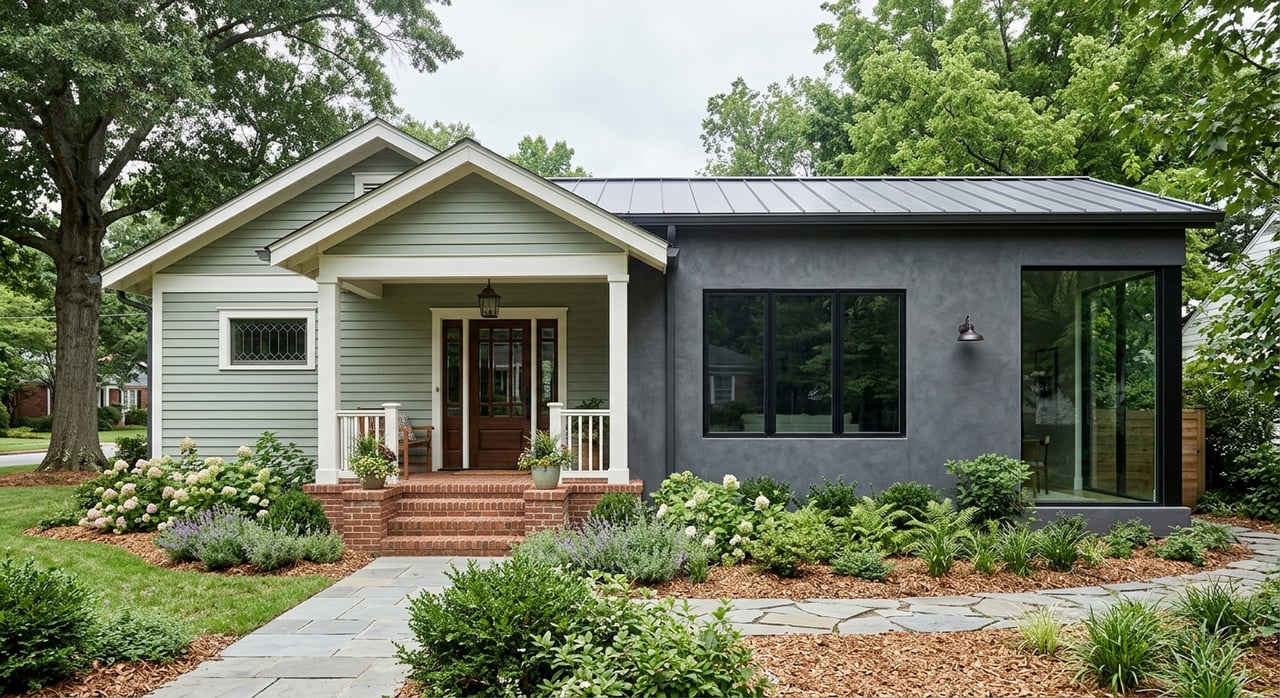
If you are drawn to homes with personality, Old Town may speak to you right away. Longmont’s historic architecture includes bungalow, Craftsman, Queen Anne, Italianate, vernacular wood frame, and other styles that reflect different eras of the city’s growth. That variety gives buyers more visual interest, but it can also mean more variation in condition, layout, and maintenance needs.
No two older homes feel exactly the same. One property may have original details and a compact footprint, while another may have been expanded or renovated over time. If you like the idea of buying something distinctive, this can be a major plus.
Newer Longmont feels more standardized
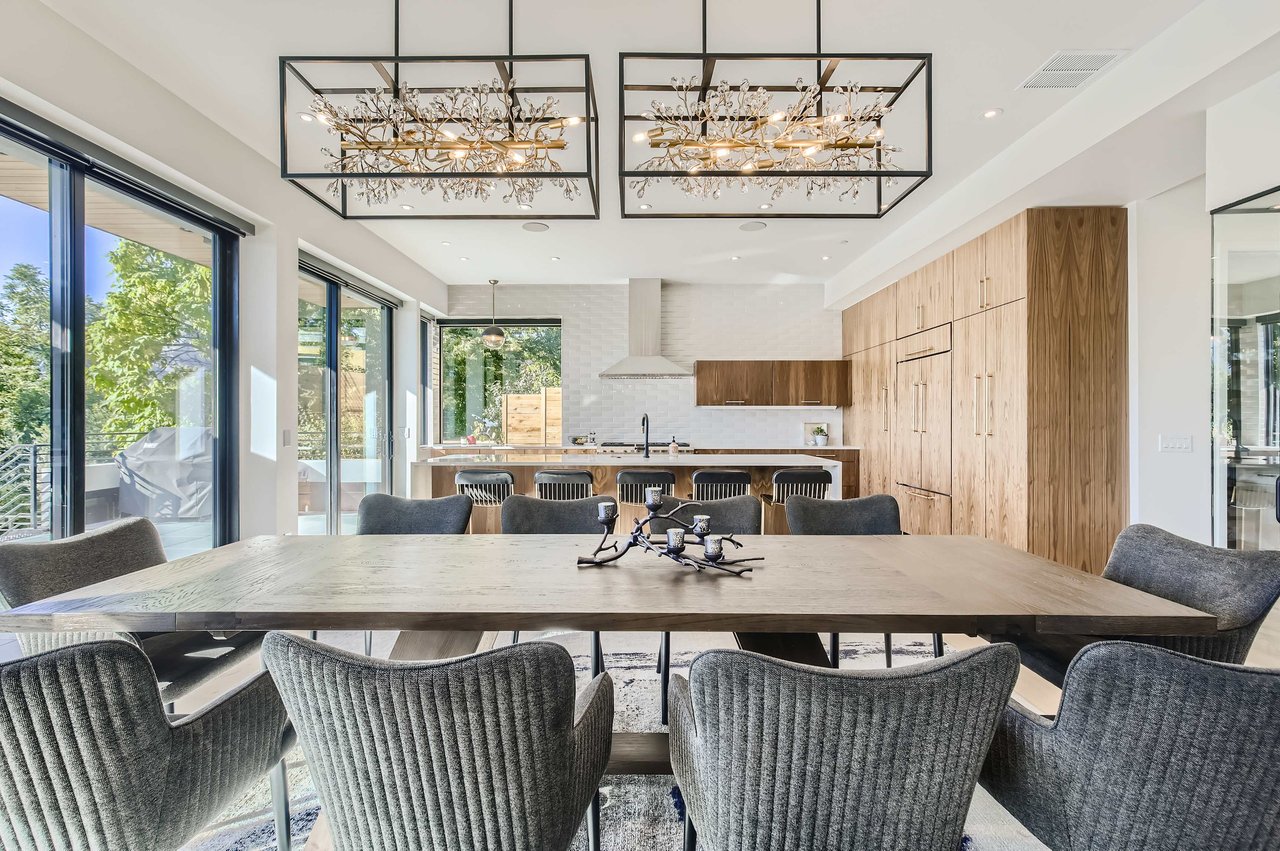
In newer Longmont neighborhoods, homes often feel more consistent from one street to the next. Buyers looking for newer systems, more predictable floor plans, attached garages, and a more turnkey ownership experience often prefer these areas. Current inventory examples show everything from condos to detached homes on modest-to-moderate lots.
That does not mean newer neighborhoods lack appeal. It means the appeal is often different. Instead of historic charm, the draw may be easier maintenance, more modern layouts, and a simpler move-in process.
Walkability and daily lifestyle
Old Town centers around Main Street
Walkability is one of Old Town’s biggest strengths. The historic grid, downtown businesses, and nearby public spaces like Roosevelt Park all support a more connected day-to-day lifestyle. If you like the idea of being close to Longmont’s historic core and local amenities, Old Town has a built-in advantage.
This kind of walkability feels organic because it grew out of the original city plan. Streets, homes, and commercial spaces were designed around a central downtown area. For some buyers, that creates a sense of place that is hard to replicate.
Newer areas can still be walkable
Walkability in newer Longmont looks a little different. Prospect New Town is a strong example, with a design that emphasizes a walkable neighborhood experience and access to restaurants, breweries, coffee shops, and events nearby. In this case, walkability is not historic. It is intentionally planned.
That matters because you do not have to choose Old Town just because you want to leave the car behind sometimes. Some newer neighborhoods offer a lifestyle that is still connected and active, but with a more modern setting.
Lot patterns and home setup
Lot size is one of the practical differences many buyers notice, but it is not a simple old-versus-new rule. Old Town’s original plat and established street pattern point to a more compact layout overall. In newer Longmont, lot sizes can vary widely depending on the neighborhood and property type.
Recent examples help show that range. Newer listings include a townhouse lot in Fox Meadow at 1,116 square feet, a Blue Vista lot at 2,610 square feet, and an East Side home site at 7,060 square feet. So while some buyers assume newer always means more land, the reality is more nuanced.
Renovation potential and due diligence
Old Town can reward careful buyers
If you enjoy the idea of improving a home over time, Old Town may offer opportunity. Character homes can be especially appealing to buyers who see value in thoughtful renovation, and that can align well with long-term asset improvement. Still, older homes often come with less standardized systems and more questions to answer before you buy.
Longmont notes that local landmarks have exterior review requirements. Exterior changes such as painting, reroofing, additions, and replacing windows or doors may require a Certificate of Appropriateness. Interior changes generally do not require extra review unless financial incentives are involved.
Historic status matters
This is where due diligence becomes important. Before you assume a remodel will be simple, you should confirm whether the property is a local landmark or subject to historic district review. The city also notes that historic designation can come with financial incentives, so the picture is not only about restrictions.
For the right buyer, these homes can be exciting projects. You just want clear expectations at the start.
Prices and market context
At the city level, Longmont remains a relatively expensive market for many buyers. Realtor.com reports a median listing price of $584,900 and 33 median days on market. That is the backdrop whether you are looking in the historic core or in newer neighborhoods.
Old Town pricing can vary a lot
Old Town does not follow one clean price point. On Redfin, the West Side Historic District has a median listing price around $632,000, while a current three-bedroom, 2.5-bath listing there is priced at $530,000. In the East Side Historic District, recent sales range from $284,900 for a small condo to $875,000 for a larger four-bedroom home.
That spread tells you something important. In Old Town, price often depends heavily on size, condition, and whether the property has already been renovated. A downtown Longmont sale at $1.3 million showed up recently, but with a sample size of one home, it is better viewed as an outlier than a trend.
Newer areas cluster differently
Newer east-side and southwest-edge inventory tends to fall more often in the midrange to upper-midrange. Realtor.com neighborhood data shows the East Side at a median listing price of $499,900 and Prospect New Town at $523,750. Redfin’s East Side new listings show a current median listing price of $553,000.
The available housing types also vary. Current examples include a new-construction three-bedroom condo at $446,895 with a $300 monthly HOA and pool access, along with a larger five-bedroom house listed at $697,999 on a 0.3-acre lot. That range gives buyers more options depending on budget, maintenance goals, and desired space.
HOA tradeoffs to think through
In newer Longmont, HOA costs are often part of the ownership equation. They are not universal, but many newer examples include them. For some buyers, that can be a worthwhile exchange if the fees cover services or amenities they value.
A Fox Meadow townhouse example includes HOA fees for trash, snow removal, exterior maintenance, water, insurance, and sewer. The East Side new-construction condo example includes a $300 monthly HOA and a community pool. Compared with an older character home, that can mean more predictable monthly costs in some areas, but also less flexibility and an added line item in your budget.
Which area fits your goals?
Old Town may fit you best if you want
- Historic character and architectural variety
- A central location near Main Street
- A home with renovation potential
- A more established street grid and mature setting
- A property that feels unique rather than standardized
Old Town tends to work well for buyers who value place, charm, and long-term improvement potential. You should also be comfortable asking more questions about condition, systems, and any historic-review requirements.
Newer Longmont may fit you best if you want
- Newer systems and lower immediate maintenance
- More predictable layouts and finishes
- Attached garages or lock-and-leave options
- Amenity-driven living in some communities
- A move-in-ready experience with fewer renovation variables
Newer neighborhoods often appeal to buyers who prioritize convenience and predictability. If you want a home that supports a simpler first year of ownership, this side of the market may feel easier to manage.
How to make the decision
A smart way to compare Old Town and newer Longmont is to rank your priorities before you start touring. Ask yourself whether you care most about charm, walkability, renovation upside, newer systems, or a simpler maintenance profile. Once you know your top two or three priorities, the right area usually becomes much clearer.
It also helps to think beyond the listing photos. Two homes at similar price points may offer very different ownership experiences over the next five years. One may ask for more planning and updates. The other may include HOA costs but save you time and near-term repairs.
If you are deciding between the two, local guidance matters because the details can change block by block and property by property. That is especially true in a market like Longmont, where historic homes, infill growth, and planned newer communities all exist within the same city.
Whether you are drawn to Old Town charm or a more turnkey home in newer Longmont, the best choice is the one that fits your lifestyle, budget, and plans for the future. If you want help comparing options with a local, data-informed perspective, reach out to Sara & Svein Groem for personalized guidance.
FAQs
What does Old Town mean in Longmont?
- In Longmont, Old Town generally refers to the historic core around Main Street and the nearby Eastside and Westside historic districts.
Are newer Longmont neighborhoods only on the edge of town?
- No. Newer Longmont includes both infill development and edge-development neighborhoods, along with planned communities such as Prospect New Town and Blue Vista.
Can you renovate a historic home in Old Town Longmont?
- Usually yes, but if the home is a local landmark, exterior changes may require city review and a Certificate of Appropriateness.
Do newer Longmont homes always have HOAs?
- No. HOA costs are property-specific, but many newer examples include HOA fees that may cover services, maintenance, or amenities.
Is walkability only available in Old Town Longmont?
- No. Old Town is highly walkable because of its historic grid and downtown setting, but newer neighborhoods like Prospect New Town are also designed to support walkability.
Is Old Town Longmont more expensive than newer Longmont?
- Not always. Old Town pricing has a wide range that depends on size, condition, and updates, while newer areas often cluster in the midrange to upper-midrange depending on the neighborhood and home type.