Torn between Louisville and Lafayette for your next home base in Boulder County? You are not alone. Both offer strong schools, quick access to Boulder and Denver, popular trail networks, and lively downtowns. The real difference comes down to how you want to live day to day, what you want from your home, and how you balance budget with lifestyle. In this guide, you will compare the details that matter so you can choose with confidence. Let’s dive in.
Quick snapshot: similarities and differences
- Population size: Louisville is smaller at about 20,800 residents while Lafayette is larger at roughly 30,600. These are recent estimates from Census QuickFacts.
- Commute time: Average travel time to work is very similar, about 24 minutes in both towns, based on multi‑year Census estimates. Census QuickFacts
- Income and home value context: Median household income trends higher in Louisville, and median owner‑occupied home values are also higher there compared to Lafayette, according to the same Census source.
- Price range and inventory: Recent market snapshots show higher median listing prices in Louisville and more mid‑range options in Lafayette. Month to month, numbers shift, but the gap usually holds. Always verify current stats when you are ready to shop.
What this means for you: Louisville typically commands a premium for its historic, walkable core and tighter inventory. Lafayette often provides more options at a lower median price, including newer homes and larger lots.
Schools and enrollment basics
Both towns are served primarily by Boulder Valley School District (BVSD). School assignment is address specific, and BVSD’s open enrollment and charter systems give you additional choice. Start with BVSD’s boundary and enrollment resources to confirm your address details and timelines. BVSD enrollment and boundaries
- Notable BVSD high schools that serve the area include Monarch High School in Louisville and Centaurus High School in the Lafayette area. Families in Lafayette also frequently consider Peak to Peak Charter School, a K–12 charter located in Lafayette. Monarch High School
What to do next
- Check your exact address within BVSD’s tools to confirm assigned elementary, middle, and high schools.
- If you plan to explore charter or choice options, review application and lottery dates early.
- Visit school websites and schedule tours where possible. Policies can vary by campus.
Commute and transportation
Both towns sit near the US 36 corridor that links Boulder and Denver. Louisville has direct access at McCaslin Boulevard and a Park‑n‑Ride that connects to regional bus service. Lafayette is slightly east of US 36 yet still offers practical drives to Boulder and Denver along with RTD access points and a Park‑n‑Ride. City materials underscore these connections for daily commuters. Louisville community profile
For longer trips or peak travel times, bus and regional services can be helpful. State‑supported Bustang runs select routes on the corridor and lists a Louisville or Superior stop on some schedules. Confirm current times since routes change seasonally. Bustang regional routes
Bottom line: Average commute times are very close, so your specific origin and destination will matter more than the city you pick.
Housing stock and market feel
You will notice distinct differences in how each town is built and what is frequently on the market.
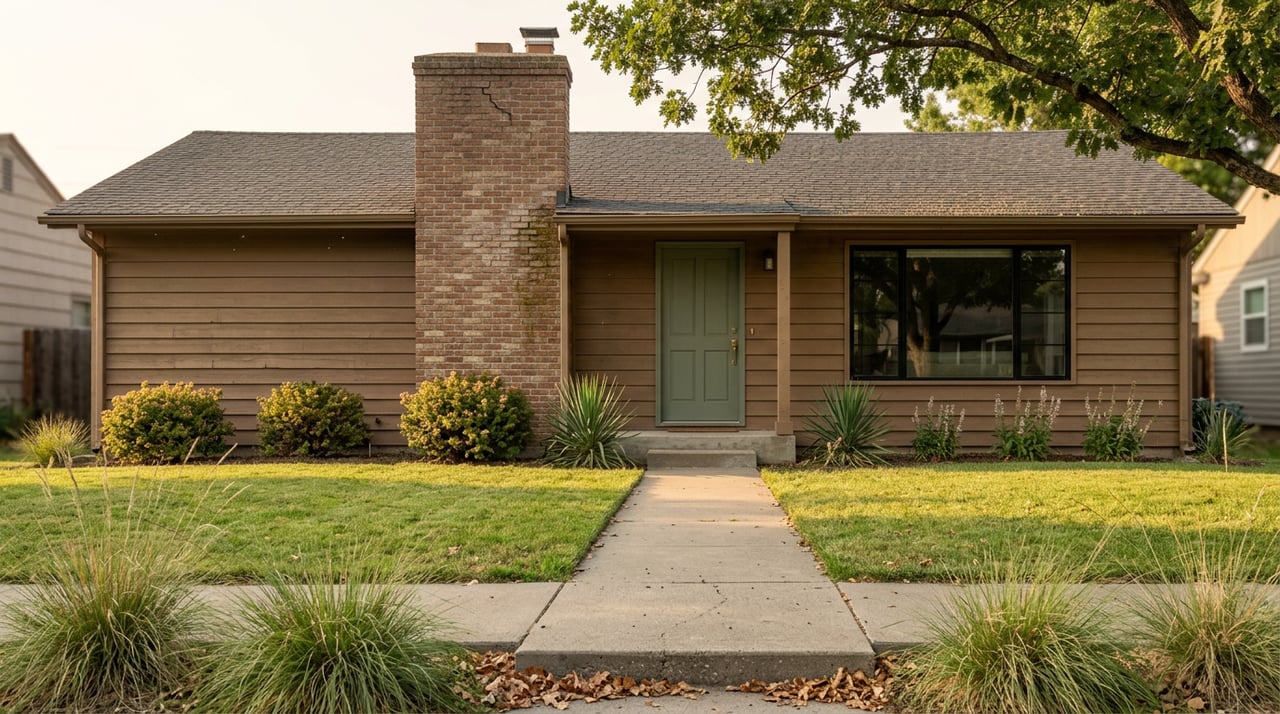
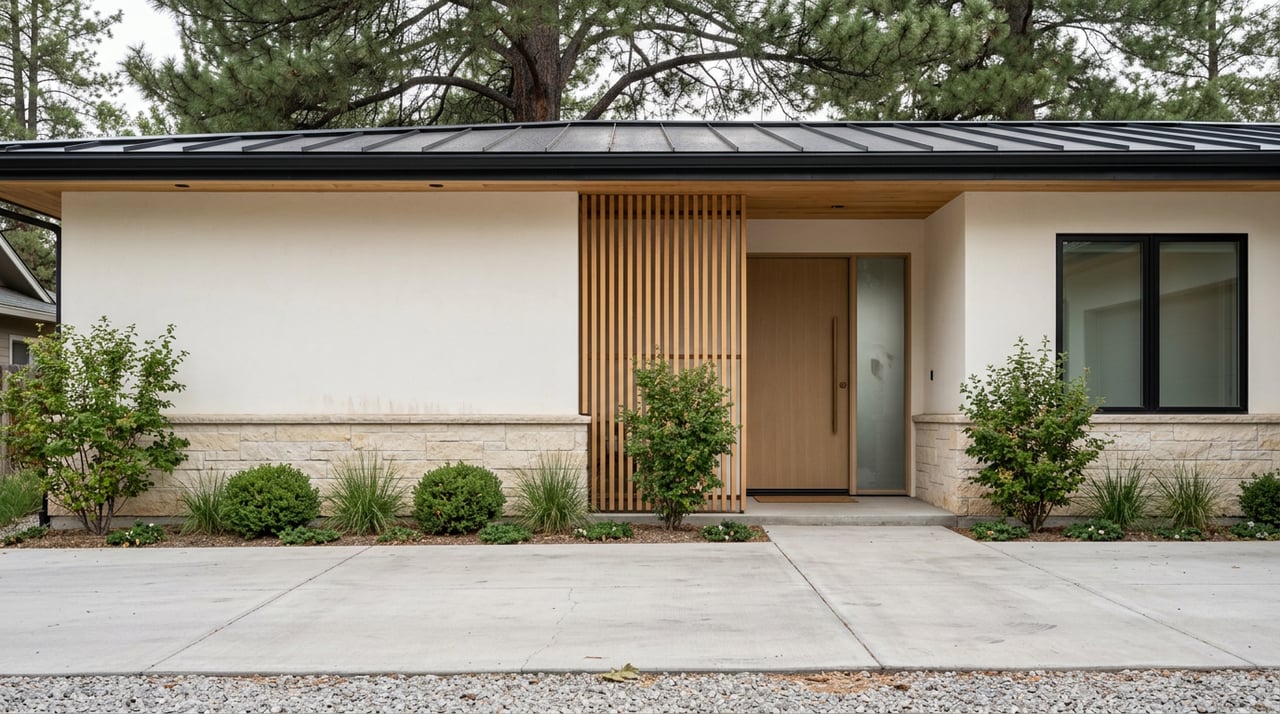
- Louisville: A historic mining‑town core surrounds a walkable Main Street. Near downtown, you will find older bungalows and period homes on smaller lots, plus ongoing renovations and infill. Inventory often runs tight, which helps explain higher median pricing.
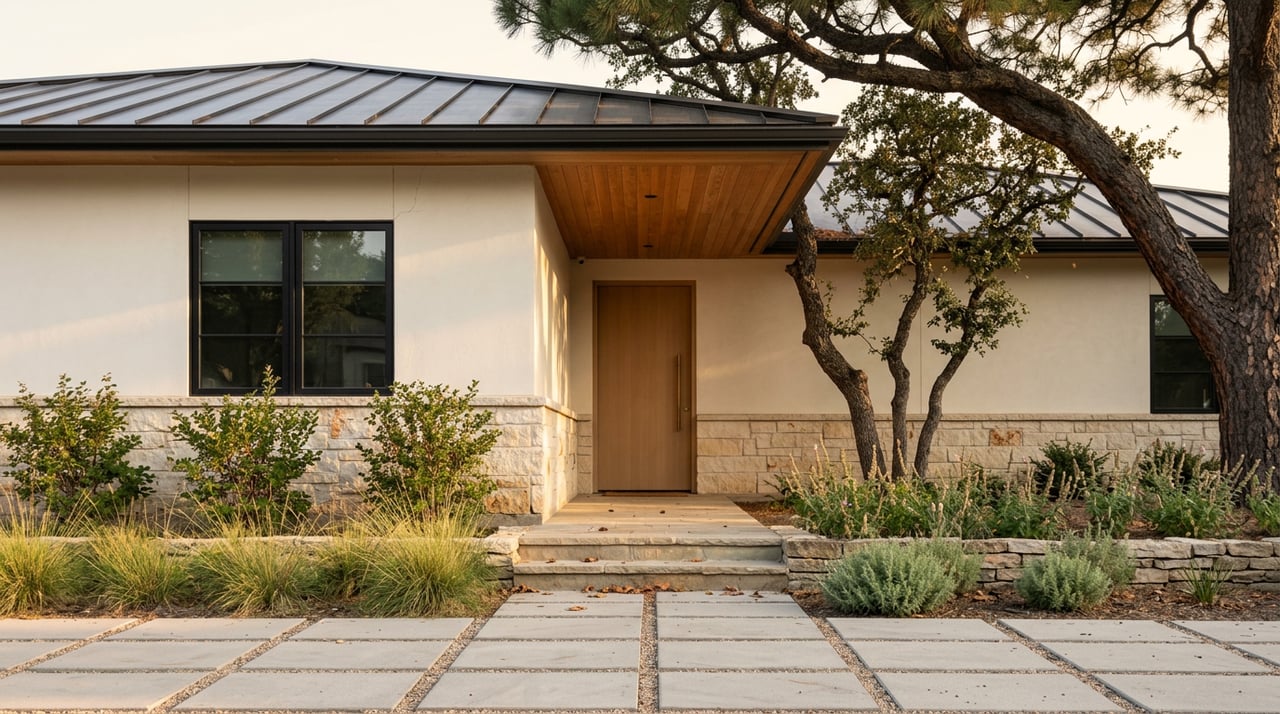
- Lafayette: A larger footprint includes several newer subdivisions and master‑planned neighborhoods. You will find more new‑construction options and larger lots at a lower median price than Louisville. City materials also highlight substantial park and open space acreage that shapes neighborhood planning.
Ownership rates are high in both places, and Census data shows median owner‑occupied home values trending higher in Louisville than in Lafayette. These patterns line up with what buyers see on the ground: price premiums near Louisville’s Old Town, and more mid‑range choices across Lafayette.
Price and property tradeoffs to weigh
- Budget: Expect to pay more on average in Louisville, especially close to Old Town. Lafayette usually offers a broader selection under the same budget.
- Home age and style: Louisville has more historic homes and remodels near downtown. Lafayette has more newer builds and planned neighborhoods.
- Lot size: Larger lots are more common in Lafayette, while Louisville’s in‑town lots are often smaller and more walkable to Main Street.
- Competition: Tighter supply in Louisville can mean more competition. Lafayette’s larger active inventory can create more negotiating room, depending on the month.
Parks, trails, and outdoor access
If outdoor access is a priority, both towns deliver, but in different ways.
- Louisville: The city maintains about 32 miles of in‑town trails that connect neighborhoods, parks, and open space, with links into the Coal Creek corridor and the broader county network. This makes everyday biking and walking easy for errands and school runs. Louisville trails and maps
- Lafayette: City materials highlight about 20 miles of trails, Waneka Lake, and around 1,640 acres of open space. The Great Outdoors Water Park and the Bob Burger Recreation Center add structured programs for families who want swim and rec options close to home. Lafayette parks, trails, and events highlights
If you love a tight trail grid that reaches a historic downtown, Louisville may fit. If you want lake access, larger parks, and community rec facilities, Lafayette stands out.
Downtowns, dining, and events
- Louisville: Old Town centers on a compact, walkable Main Street lined with independent restaurants, cafes, and breweries. Community events, including summer concerts and the popular Street Faire, keep the calendar full. That historic‑core character is a signature part of living in Louisville. Explore Louisville
- Lafayette: Old Town Lafayette along Public Road has grown into a lively district with new restaurants and a full schedule of events like Art Night Out and the Peach Festival. The activity is vibrant but a bit more dispersed across corridors and neighborhoods as the city grows. Lafayette events and amenities
Which is right for you? A quick decision guide
You might be happiest in Louisville if you:
- Want a compact, historic downtown you can walk to often.
- Are comfortable paying a premium for proximity to Main Street and established in‑town neighborhoods.
- Value quick access to Boulder and a small‑town main‑street feel.
You might be happiest in Lafayette if you:
- Want a newer home or a larger lot within a more moderate budget.
- Value lake access, recreation centers, and extensive open space.
- Like a lively downtown scene with growing small‑business options and family‑friendly events.
Remember, these are patterns, not hard rules. The best choice depends on your exact address priorities, school plans, home requirements, and commute.
How to make a confident choice
Use this short plan to go from research to decision:
- Define your must‑haves. Rank price ceiling, target home size, lot size, commute tolerance, and walkability.
- Map schools by address. Use BVSD tools to confirm current boundaries, then explore charter and choice timelines if relevant. BVSD enrollment and boundaries
- Test the commute. Drive your likely route during peak times. If you prefer transit, review current Park‑n‑Ride and Bustang or RTD schedules. Bustang regional routes
- Walk the neighborhoods. In Louisville, compare Old Town blocks to surrounding infill. In Lafayette, tour a few subdivisions plus Old Town to feel the variations.
- Track the market weekly. Inventory and days on market change quickly. Watch for price reductions, new listings, and seasonal shifts.
When you are ready to compare on the ground, we can help you align the data with your day‑to‑day needs. Our team pairs deep Boulder County knowledge with renovation and sustainability advising, so you can weigh both lifestyle fit and long‑term value. Ready to explore? Connect with Sara & Svein Groem for a focused neighborhood consult or to start touring.
FAQs
What are typical home prices in Louisville and Lafayette?
- Recent summaries indicate Louisville’s median listing price trends higher than Lafayette’s. A common gap shows Louisville near the upper end of Boulder County suburbs while Lafayette offers more mid‑range options. These figures shift monthly, so verify current numbers when you are active in the market.
Which public schools serve Louisville and Lafayette?
- Both towns are primarily in Boulder Valley School District. Notable comprehensive high schools include Monarch High School in Louisville and Centaurus High School in the Lafayette area. Families in Lafayette also consider Peak to Peak Charter School. Always confirm assignments and timelines with BVSD. BVSD enrollment and boundaries | Monarch High School
How long is the commute from these towns to Boulder or Denver?
- Census data shows average commutes around 24 minutes in both towns. Many residents report about 15 minutes to Boulder and 25 to 30 minutes to Denver by car in normal conditions, but traffic and exact origin or destination can change that. Census QuickFacts
How do parks and trails compare between Louisville and Lafayette?
- Louisville maintains about 32 miles of in‑town trails with strong connections to regional paths. Lafayette highlights around 20 miles of trails, Waneka Lake, and roughly 1,640 acres of open space, plus robust recreation facilities. Louisville trails and maps | Lafayette parks and amenities
How do the downtown scenes differ in feel and layout?
- Louisville’s Old Town is compact and very walkable with a historic main street and frequent events. Lafayette’s Old Town and nearby corridors are lively and growing, with events spread across a slightly wider footprint. Explore Louisville | Lafayette events and amenities