Want a life where your morning coffee, school drop-off, and a quick trail run are all minutes from your door? If you are curious about Central Boulder, you are likely weighing walkability, school options, and daily convenience against price and parking realities. This guide gives you a clear picture of how Central Boulder lives day to day, how schools and housing work, and what to expect with transportation, costs, and lifestyle. Let’s dive in.
Central Boulder at a glance
Central Boulder covers the city core and nearby inner neighborhoods, including Pearl Street and downtown, University Hill near CU Boulder, Mapleton Hill, Whittier, the Civic Area, and adjacent blocks. Exact neighborhood lines and school zones can vary by street, so always verify details for a specific address. The area sits around 5,300 to 5,400 feet in elevation with a sunny, semi-arid climate. You get four seasons, milder winters than the high country, and regular freeze-thaw cycles.
Boulder has an active planning culture. Local zoning, short-term rental rules, and redevelopment policies shape what can be built and how neighborhoods evolve. If you plan to remodel or add on, budget time to understand current rules and timelines through City of Boulder Planning & Development resources.
Why this matters: Central Boulder blends urban convenience with quick access to trails and parks. It also tends to command higher prices, and each block can feel different in terms of parking, school assignments, and street activity.
Walkability and getting around
On foot
Central Boulder is one of Colorado’s most walkable urban hubs. In the downtown and University Hill core, you can handle most daily errands on foot, from groceries and coffee to restaurants and services. Walkability steps down in the blocks farther from Pearl Street, but many inner neighborhoods still offer easy pedestrian access to parks and essentials. For a quick check, review an address on the Boulder Walk Score page and compare results block by block.
By bike
Biking is part of everyday life here. You will find buffered lanes, multi-use paths, and direct connections to Boulder Creek Path, Mount Sanitas trails, and the foothills. Many residents commute by bike or mix biking with transit. If you are new to town, try a few test rides to your most common destinations at peak and off-peak times.
Transit options
RTD runs local buses through the university and downtown corridors, with regional routes to Denver, Longmont, and other Front Range communities. Schedules and route maps are available on RTD’s official site. If you plan a regional commute, build in time for transfers or consider park-and-ride strategies.
Driving and parking
Parking in downtown can be fee-based and tight at peak hours. Many historic homes lack garages, and some central condos include only one parking space. Confirm on-site parking for any listing and review street parking rules. Commuting to Boulder’s employment centers is typically straightforward; trips to Denver vary with traffic and weather.
Schools and education options
Central Boulder is served by the Boulder Valley School District (BVSD), with assignments based on address. Boundaries can shift, and schools may have capacity policies. Before you bid on a home, confirm the current school assignment and enrollment process directly with BVSD.
What to know:
- BVSD offers a range of programs across elementary, middle, and high schools. Some high schools offer advanced courses like AP or IB. Availability varies by school.
- Charter and magnet programs operate within the district. Private and independent preschools and K–12 options also exist in the area.
- Open enrollment and transfer timelines matter. If school choice is a priority, plan early and understand how waitlists and capacity affect placement.
Use neutral, current data to compare campuses and visit in person when possible. Proximity to sought-after elementary zones can influence pricing and competition within central neighborhoods.
Housing types and price tiers
You will find a wide range of homes in Central Boulder:
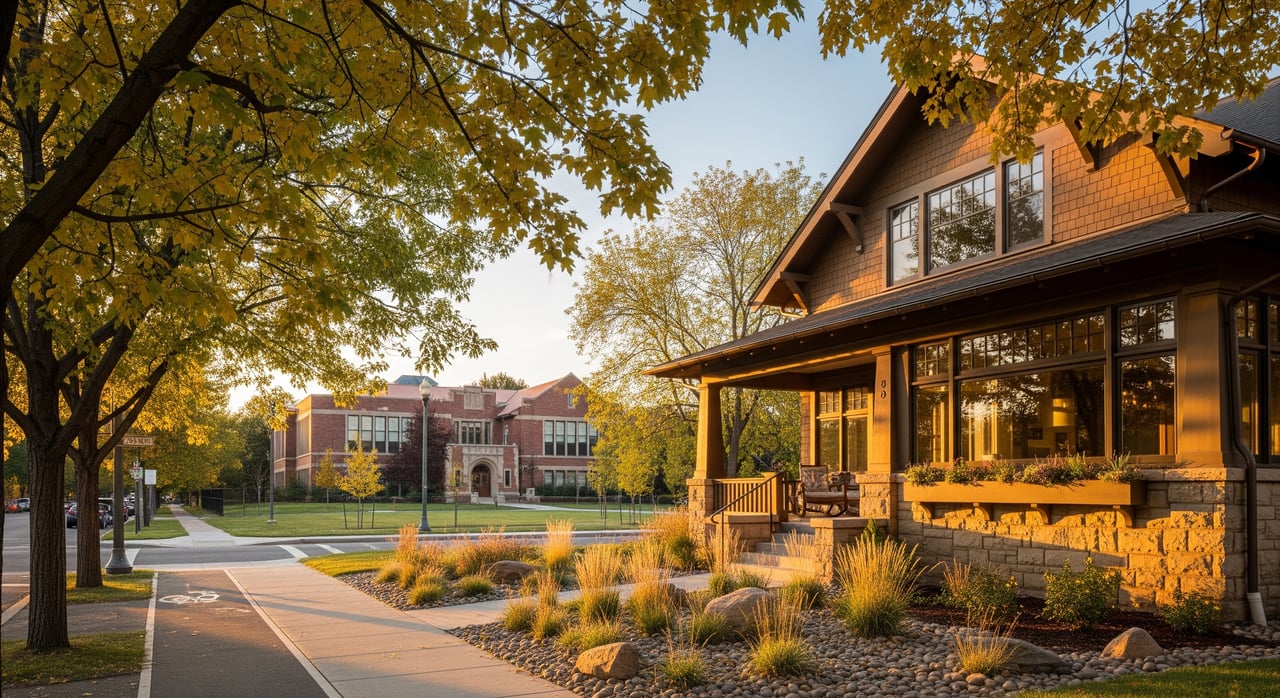
- Historic single-family homes, including bungalows and Victorians, especially near Mapleton Hill and Whittier.
- Early- to mid-century single-family homes on mature lots.
- Townhomes, low-rise condos, and mid-rise residences near downtown and University Hill.
- Newer infill projects and small multifamily buildings on redeveloped lots.
- Purpose-built student housing and rental apartments near CU Boulder.
Detached single-family homes in the core often sit at the top of the local market. Condos and townhomes can be a lower entry point, though central pricing remains elevated compared to many Colorado cities. Near the university and downtown, rental demand is strong with seasonal turnover.
Market dynamics to expect:
- Limited supply on desirable blocks can lead to competition, especially for homes with off-street parking or proximity to parks and popular elementary schools.
- Infill and redevelopment face zoning and community review, which can limit change and also shape long-term value.
- Appraisals can be nuanced with historic or unique properties. Work with a lender and agent who understand central comps.
Ownership notes:
- Property taxes are assessed by Boulder County. Rates and assessed valuation rules differ from many states, so check estimates early in your budgeting.
- HOA fees are common in condo and townhome communities. Review covenants for renovation, rental, and pet policies before you commit.
- Insurance varies by property type and location. Some parcels near Boulder Creek fall within floodplains, which can affect coverage and costs.
Lifestyle and local culture
Outdoor access is a major draw. Trails in Boulder Open Space & Mountain Parks connect you to the Flatirons, Chautauqua Park, Mount Sanitas, and the Boulder Creek Path. Getting outside before work or at lunch is a normal part of the routine for many residents.
Downtown, Pearl Street anchors dining, local shops, and festivals. You will also find farmers markets, breweries, and arts venues. The university adds lectures, performances, and sports to the calendar. The local culture leans active and wellness-forward, with many residents biking, running, climbing, and embracing car-light living.
In university-adjacent areas, expect student rhythms, including higher rental turnover and occasional nightlife noise. Downtown events can bring crowds and parking pressure. If you want quieter evenings, consider tree-lined streets a bit farther from the busiest blocks.
Risks and practical considerations
- Flood: Low-lying parcels near Boulder Creek may be in a floodplain. Confirm a property’s status on the FEMA Flood Map Service Center and discuss coverage with your insurer.
- Wildfire: Central neighborhoods are generally less exposed than foothill edges, but proximity to open space still calls for basic defensible-space practices.
- Air quality: Most days are clear, but regional wildfire smoke and occasional ozone advisories can affect outdoor plans. Check conditions on AirNow.
- Short-term rentals: Rules and licensing affect which homes can be rented short-term. Review current policies via City of Boulder resources and confirm HOA rules for condos and townhomes.
How to choose your Central Boulder fit
Use this quick framework to evaluate homes block by block:
Daily routine test
- Map your top five weekly stops and try them at peak and off-peak times by foot, bike, and car.
- Walk the block at night and on weekends to gauge activity and parking patterns.
School due diligence
- Confirm assignments and capacity with BVSD for the exact address.
- Review open enrollment timelines and transfer policies if you want options.
Parking and commuting
- Verify on-site parking, storage, and alley access. Ask about street parking permits.
- If you commute regionally, check RTD schedules and try a test drive during your usual window.
Cost of ownership
- Estimate property taxes using Boulder County tools, and factor in HOA dues if applicable.
- Price out insurance for flood or specialized coverage if the parcel or structure requires it.
Renovation and sustainability
- If you plan upgrades, review zoning, historical context, and permit pathways through City of Boulder Planning & Development.
- Consider energy improvements like insulation, windows, and solar to reduce long-term costs.
How we help
Central Boulder rewards careful, block-level decisions. You want a guide who knows how each street lives, how school boundaries and parking rules play out, and how to evaluate historic homes, condos, and infill projects with a practical, future-focused lens. Our team brings deep local knowledge, renovation and sustainability advising, and the transaction experience to move decisively when the right home appears.
If you are weighing Central Boulder against nearby neighborhoods, or you want to understand value and tradeoffs on a specific block, let’s talk. Ready to compare options or request a pricing review? Connect with Sara & Svein Groem to start a tailored plan or request a Home Valuation.
FAQs
How walkable is an address in Central Boulder?
- Start with the neighborhood’s results on the Boulder Walk Score page, then ground-truth by walking to your regular destinations at different times of day.
Which public school will serve my Central Boulder home?
- BVSD assigns schools by address and capacity; confirm the current boundary and enrollment process directly with BVSD for the specific property.
What housing types dominate Central Boulder?
- You will see historic single-family homes, early- to mid-century houses, townhomes and condos near downtown, and some newer infill or small multifamily buildings.
How is parking near downtown and historic streets?
- Expect tighter parking and potential fees downtown; many historic homes have limited off-street spaces, so verify on-site parking and review street-permit rules for the block.
Do I need flood or wildfire insurance in Central Boulder?
- It depends on the parcel; check the FEMA Flood Map Service Center for flood zones and talk to your insurer about coverage based on the property’s exact location.
What is the commute like to Denver from Central Boulder?
- Regional commutes vary with traffic and weather; many residents mix driving with RTD regional routes or park-and-ride to manage timing.
Are short-term rentals allowed in Central Boulder?
- Boulder regulates short-term rentals and may require licensing; review current rules via City of Boulder resources and confirm any HOA restrictions for condos or townhomes.