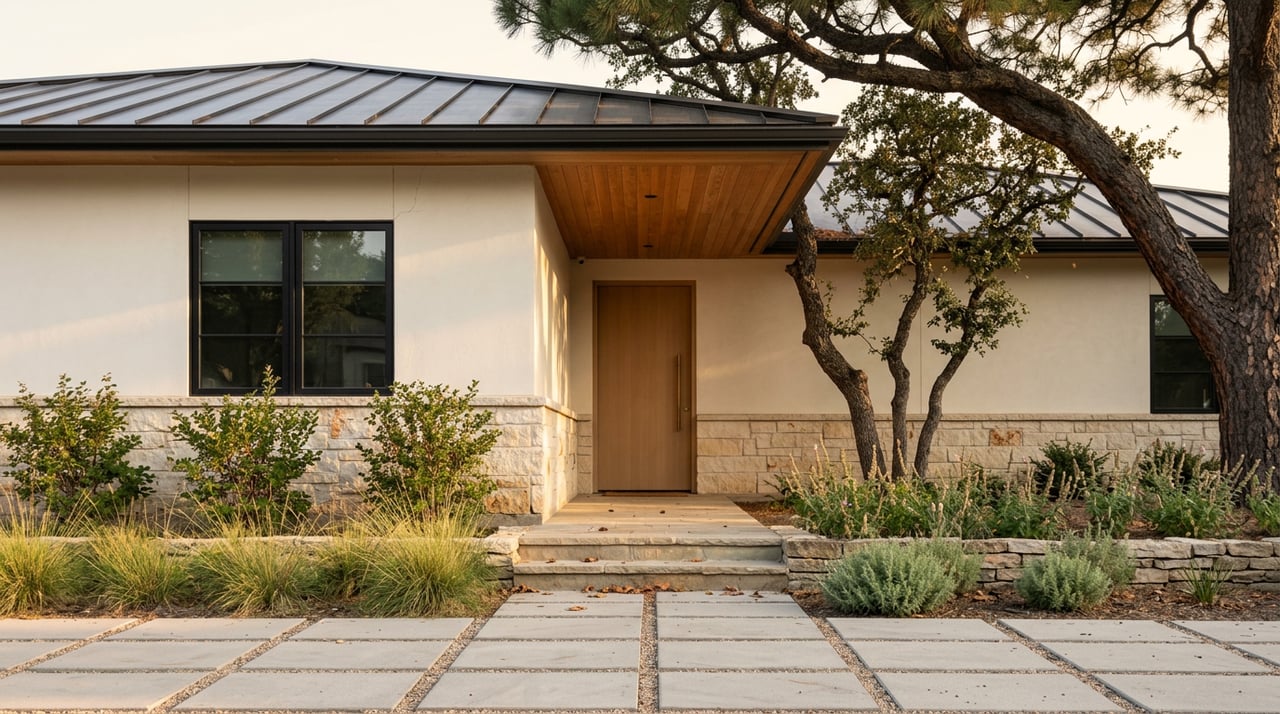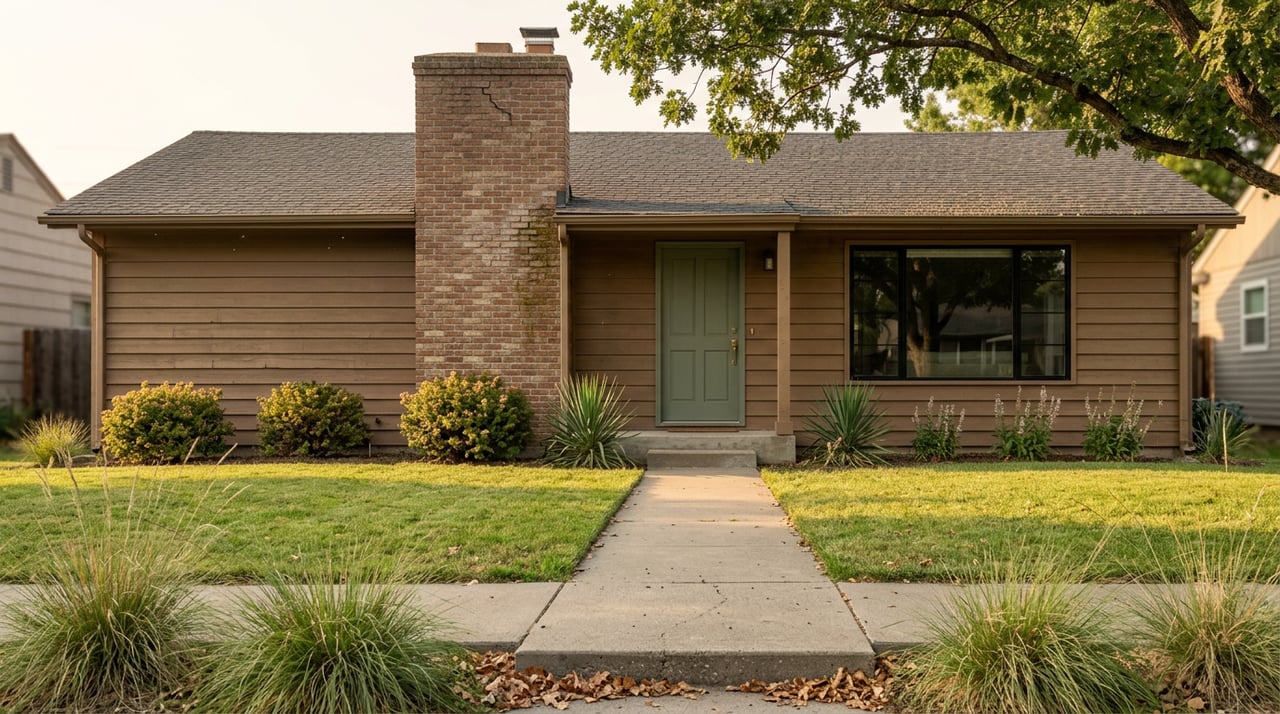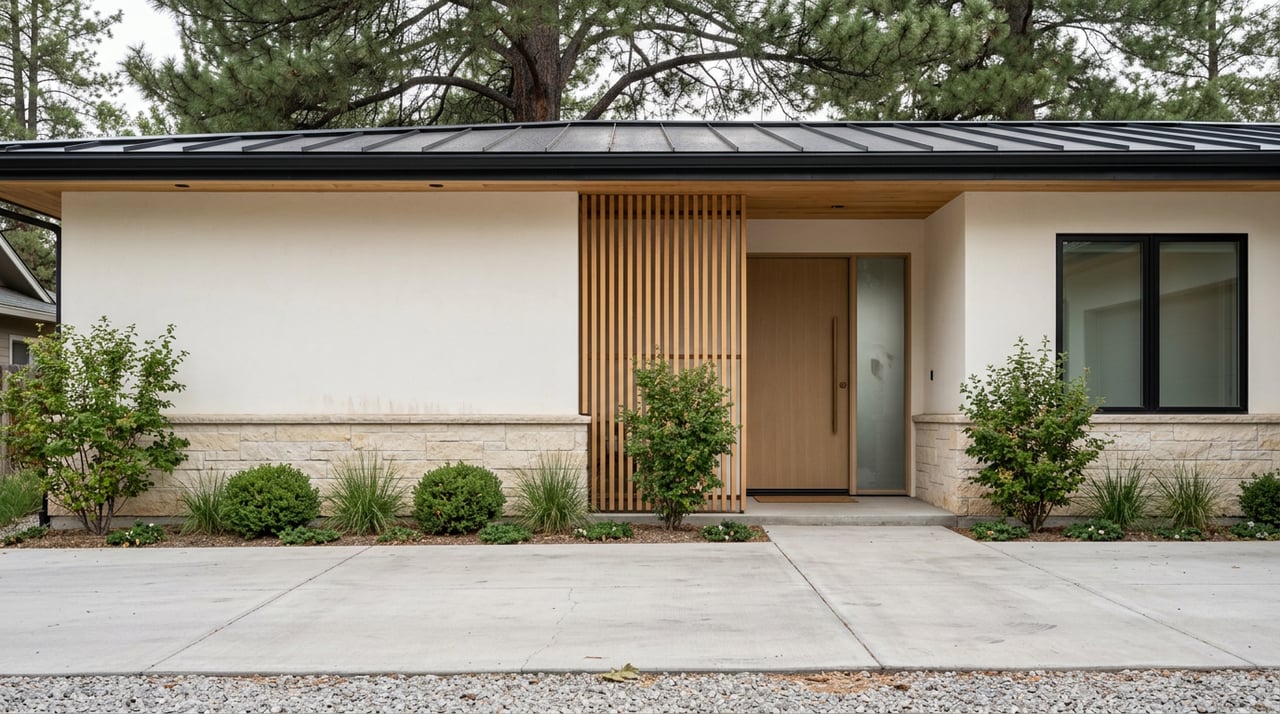
If you are choosing between a brand-new home and an older property in Lafayette, you are not alone. Many buyers here find that the real decision is less about "new versus old" and more about how you want to live, what costs you want to manage, and what kind of home will serve you well over time. The good news is that Lafayette offers a mix of both, and understanding the tradeoffs can help you buy with more confidence. Let’s dive in.
Lafayette Homes Are a Mix
Lafayette is not a market where every option falls neatly into one bucket. According to local demographic data, the city’s median construction year is around 1993 to 1994, and the housing stock spans from early historic homes to more recent planned communities.
That mix matters when you start your search. You are likely to compare detached single-family homes, townhomes, duplexes, condos, and infill properties rather than just two simple categories. In practice, your decision often comes down to energy efficiency, maintenance needs, lot size, HOA structure, and neighborhood feel.
Where New Construction Is Happening
Newer development in Lafayette is generally concentrated near major corridors and along the city’s edges. The city’s development projects page lists active proposals in areas such as South Public Road, Arapahoe Road, Baseline Drive, Highway 42, and 120th and Emma.
Two projects stand out for buyers watching the new-home market closely. Willoughby Corner, near 120th Street and East Emma Street, is a 24-acre planned neighborhood with 400 permanently affordable homes, along with trails, park space, community gardens, a dog park, and a community building.
Another major project is Silo, located south of Arapahoe and west of Aspen Ridge. It is planned as an 80-acre, 478-unit net-zero community with a mix of housing types that includes single-family homes, duplexes, and townhomes.
Lafayette’s long-range planning also points toward infill and redevelopment, not just edge growth. The city’s comprehensive planning materials highlight future housing growth through redevelopment in existing areas, including Old Town mixed-use districts and missing-middle housing.
What New Construction Often Offers
For many buyers, the biggest advantage of new construction is efficiency. Lafayette notes that building energy use accounts for 73% of the community’s 2021 greenhouse-gas emissions, which helps explain why energy performance is such a meaningful part of the conversation.
Newer homes are more likely to start from a stronger efficiency baseline. ENERGY STAR certified new homes must meet strict efficiency standards, and ENERGY STAR NextGen homes can include features such as heat pumps and EV charging capability.
In Lafayette, Silo is a strong example of what that can look like in the real world. Its sustainability overview describes solar PV, geothermal heating and cooling, and high-performance building envelopes designed to reduce overall energy use.
That can translate into lower utility costs and fewer early upgrade projects. If you want a home that feels move-in ready from day one, new construction may line up well with your priorities.
Lower Maintenance, New Systems
A newer home often means less immediate work. Roofs, windows, HVAC systems, plumbing, and electrical components are typically new, which can reduce the odds of major repairs in the first years of ownership.
That does not mean maintenance disappears. It does mean your near-term budget may be easier to predict, especially if you want to avoid large surprise expenses right after closing.
Modern Layouts and Shared Amenities
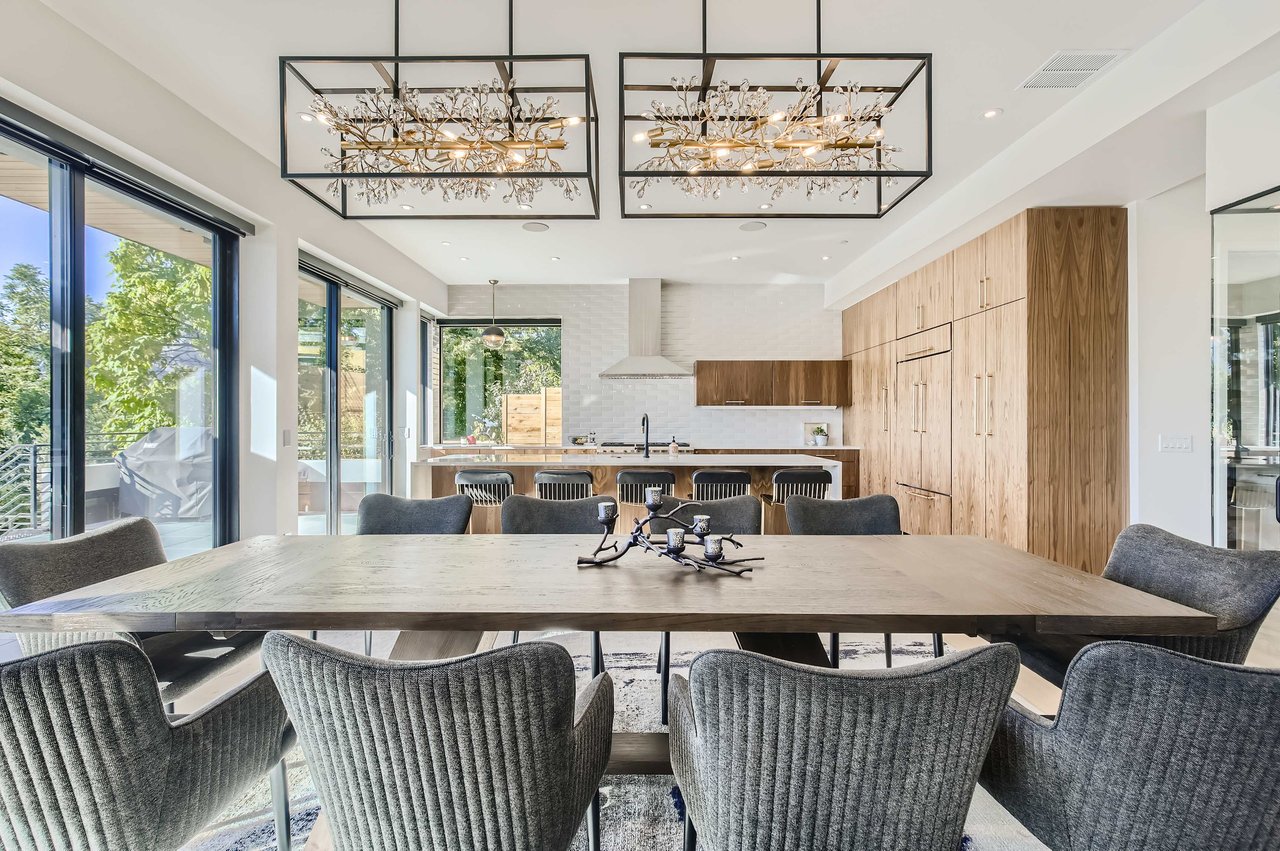
New homes also tend to reflect current design preferences. Open-concept living areas, larger kitchens, flexible work spaces, and updated finishes are common features that appeal to buyers who want a more current floor plan.
In planned communities, you may also gain access to amenities and shared open space. At projects like Willoughby Corner, those features can include trails, gardens, park areas, and gathering spaces.
Smaller Lots and HOA Costs
The tradeoff is that new construction often comes with a more compact layout pattern. In Lafayette’s newer planned communities, homes may sit on smaller private lots while relying more on shared green space and community amenities.
You should also look closely at monthly carrying costs. A current Silo community listing shows a $250 per month HOA, and community pricing ranges from about $385,000 for entry-level plans to over $2.25 million for custom homes.
What Older Homes Often Offer
Older homes in Lafayette can feel very different from newer planned communities. Point2 data shows that most housing was built from the 1970s through the 2010s, with only a small share built before 1940, but those earlier homes still shape the character of certain parts of town.
Lafayette market data from Homes.com reports a median lot size of 7,405 square feet, a median year built of 1993, and median sale prices around $655,000 overall, $720,000 for single-family homes, and $516,950 for townhouses over the past 12 months. For buyers, that means older options can include both classic detached homes and attached products at different price points.
Character and Established Setting
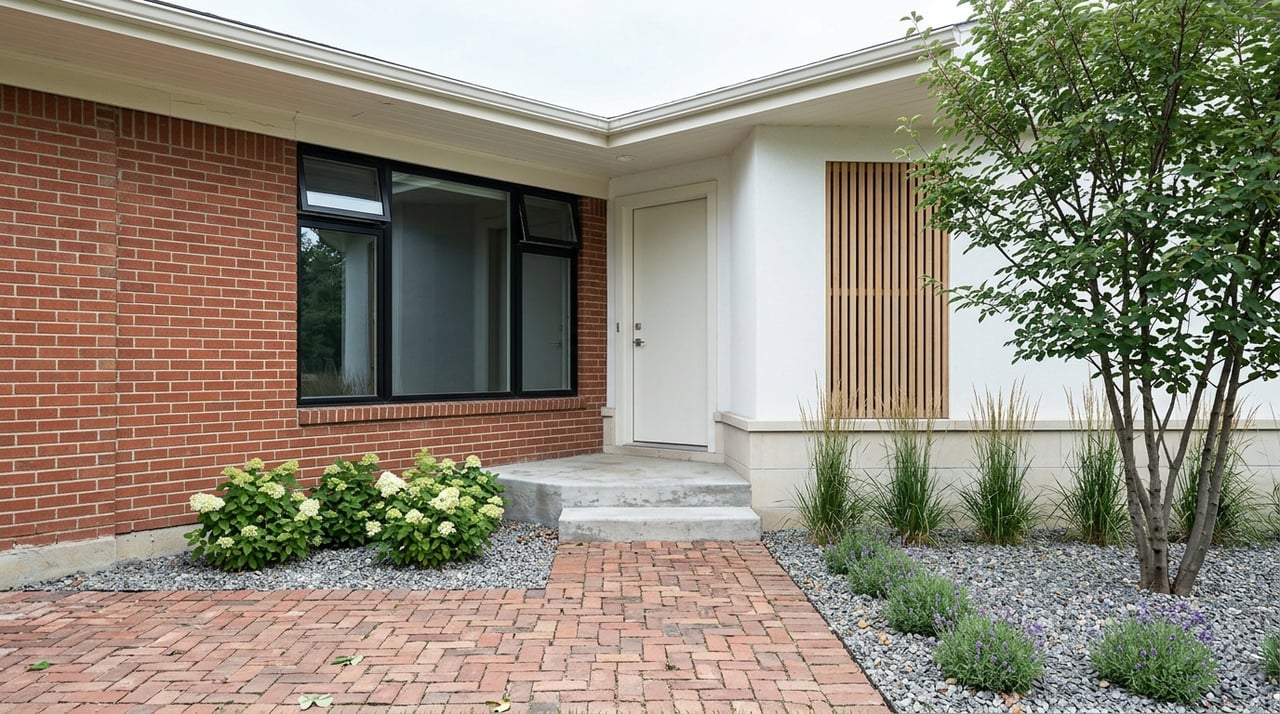
Older neighborhoods often attract buyers who want mature landscaping, more established streetscapes, and homes with architectural variety. In Lafayette, Old Town and First Union are especially tied to the city’s history.
The city’s Historic Lafayette walking tour materials note that many homes in First Union were moved from coal camps and remain visible links to Lafayette’s mining-era past. That history can give older areas a sense of place that is hard to replicate in a brand-new community.
Potential for Larger Lots or No HOA
Older homes can also offer practical advantages. Some properties in older parts of Lafayette sit on larger lots and may not have HOA fees, which can be appealing if you value more private outdoor space or fewer monthly obligations.
That said, you should not assume every older home is HOA-free. Some infill and condo-style properties in established areas do have associations, so it is important to verify each property rather than rely on neighborhood stereotypes.
More Upkeep and Improvement Costs
The most common tradeoff with an older home is maintenance. Older systems may need updating over time, and efficiency improvements like insulation, air sealing, or weatherization can become part of your ownership plan.
The city’s energy resources page points residents to weatherization and efficiency guidance, and the city also offers access to EnergySmart support. For buyers who are comfortable planning updates over time, that can create opportunities to improve performance and value.
Price and Value in Today’s Market
Lafayette remains an expensive market by Front Range standards, even though exact figures vary by source. Recent reports put median sale prices in a fairly wide but consistent range, including Redfin’s February 2026 median of $632,000, Zillow’s January 2026 median sale price of $742,667, and Realtor.com’s January 2026 median of $639,999 as cited in the research.
A city-commissioned 2026 affordability study adds useful context. It found that housing growth lagged household growth from 2018 to 2023, vacancy fell from 4.3% to 2.0%, and typical home values reached about $712,000 in early 2025.
For you, that means both newer and older homes can attract strong buyer interest when priced and positioned well. The better value is usually the home that best matches your budget, your tolerance for repairs, and your long-term ownership goals.
How to Compare Total Ownership Cost
List price is only part of the story. A lower-priced older home can become more expensive if it needs a roof, sewer line, panel upgrade, windows, or efficiency improvements in the near term.
A newer home may come with a higher purchase price or monthly HOA dues, but it may reduce repair costs and energy use early on. If you want to compare options clearly, look at the total monthly and annual cost of ownership rather than focusing only on the asking price.
Here are a few categories worth comparing:
- Mortgage payment
- Property taxes
- HOA dues
- Utilities
- Expected maintenance and repairs
- Near-term upgrade costs
- Resale potential based on location and condition
Which Type of Home Fits You Best?
If you prioritize energy performance, lower maintenance, and more modern layouts, new construction may be the better fit. This is especially true if you want predictable systems, newer materials, and community amenities built into the neighborhood.
If you care more about character, established lots, and the chance to avoid or reduce HOA obligations, an older home may make more sense. That path can be especially appealing if you are comfortable taking on updates over time.
Many buyers in Lafayette find that the best answer is not ideological. It is practical. You are choosing the home that matches how you want to live now and what kind of ownership experience you want over the next five to ten years.
If you want help weighing new construction against older homes in Lafayette, Sara & Svein Groem can help you compare neighborhoods, ownership costs, renovation potential, and long-term value so you can make a smart move with clarity.
FAQs
What is the main difference between new construction and older homes in Lafayette?
- In Lafayette, the biggest differences are usually energy efficiency, maintenance needs, lot size, HOA structure, and neighborhood character rather than a simple price gap.
Where are most new construction homes located in Lafayette?
- New development is mainly concentrated along major corridors and near the city’s edges, with notable projects around Arapahoe Road, Baseline, Highway 42, and 120th and Emma.
Are older homes in Lafayette always cheaper than new construction?
- Not necessarily. Older homes may have a lower purchase price in some cases, but maintenance, repairs, and efficiency upgrades can change the total cost of ownership.
Do new homes in Lafayette usually have HOA fees?
- Many new planned communities include HOA dues, but the amount varies by property and community, so you should review each listing carefully.
Do older Lafayette homes come without HOAs?
- Some do, especially in more established areas, but not all older properties are HOA-free. Certain infill and condo-style homes in older neighborhoods may still have associations.
Is Lafayette a competitive market for both new and older homes?
- Yes. City and market data point to a tight housing market with low vacancy and strong buyer interest across different property types.